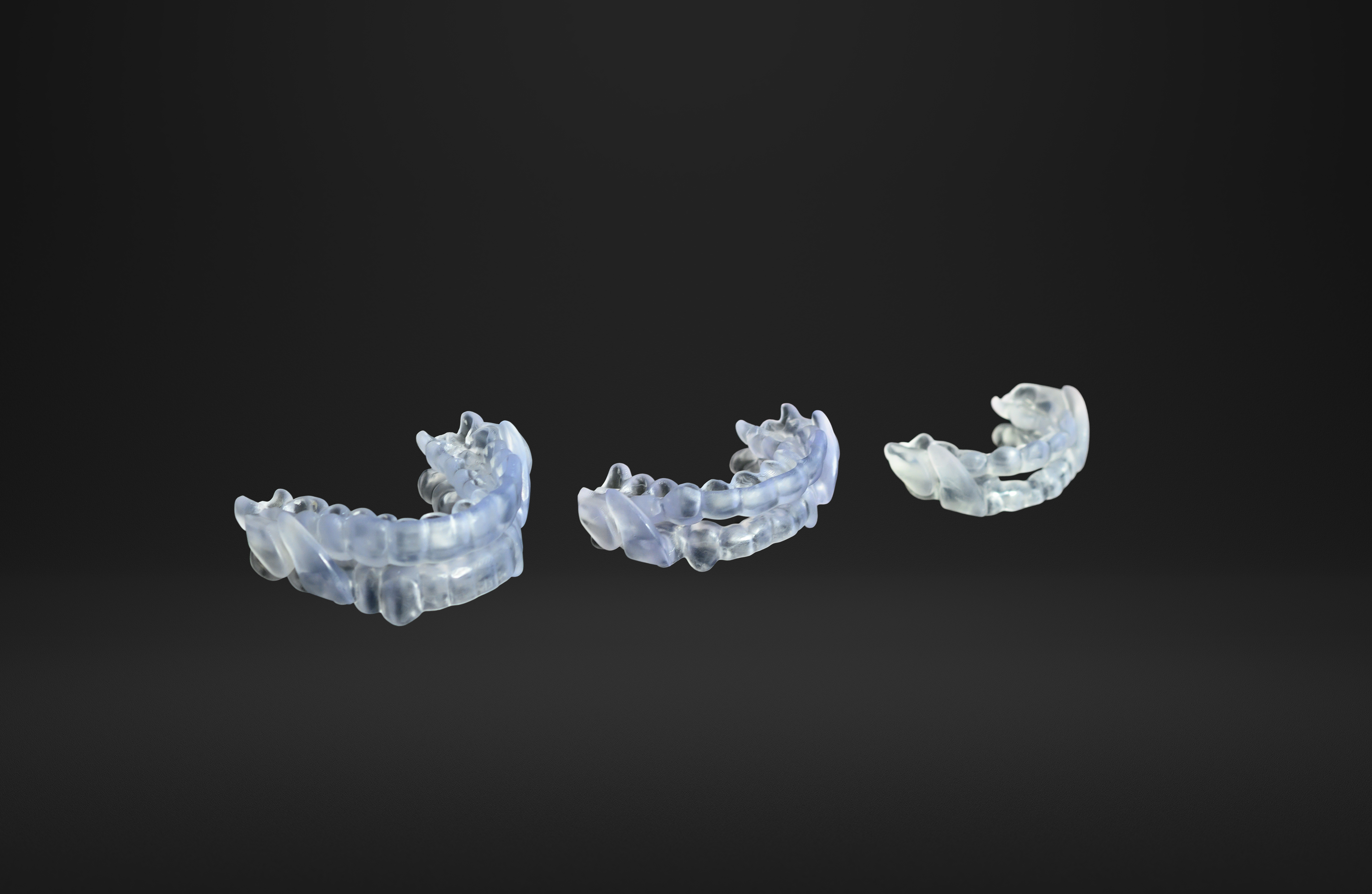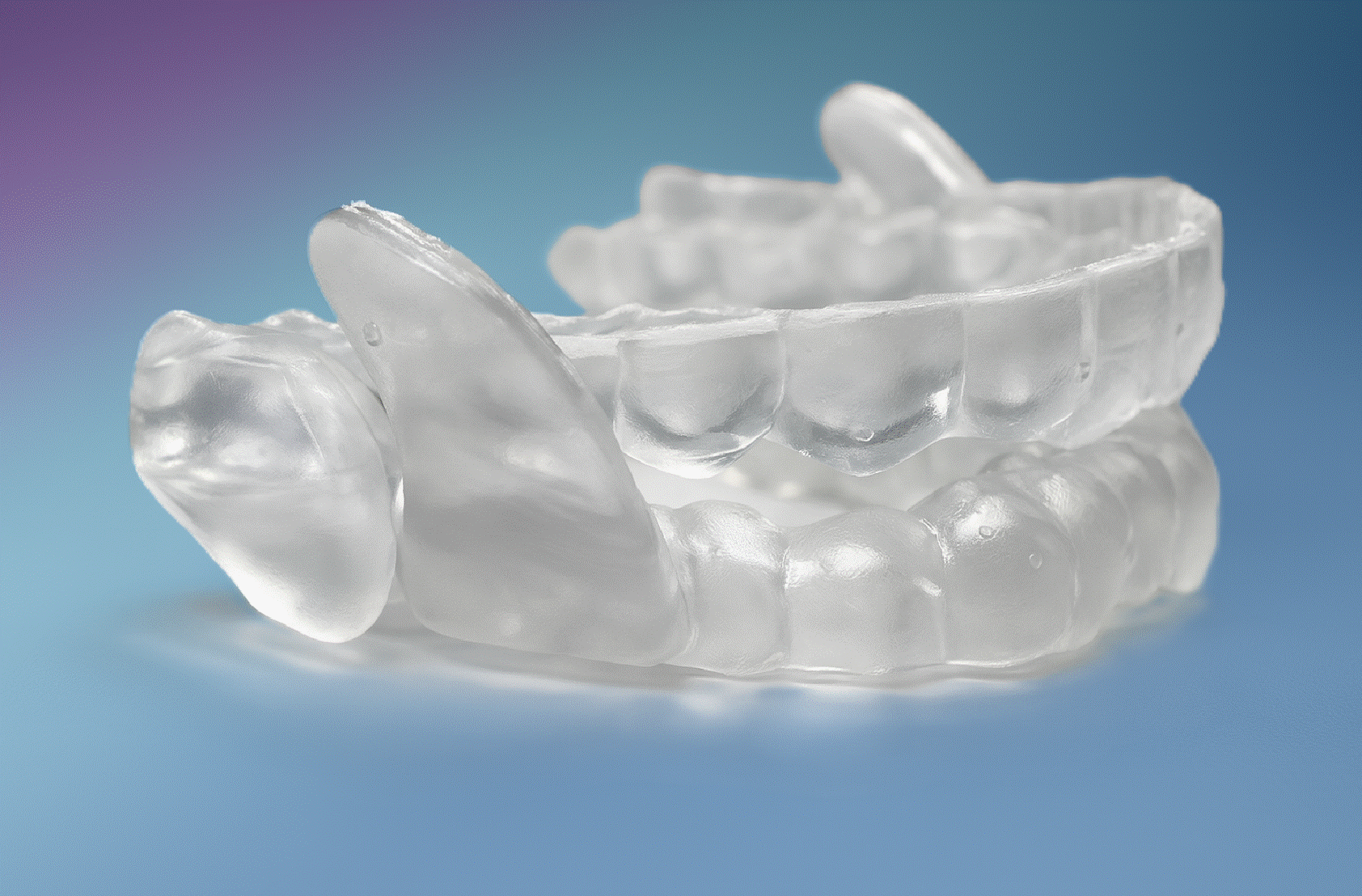
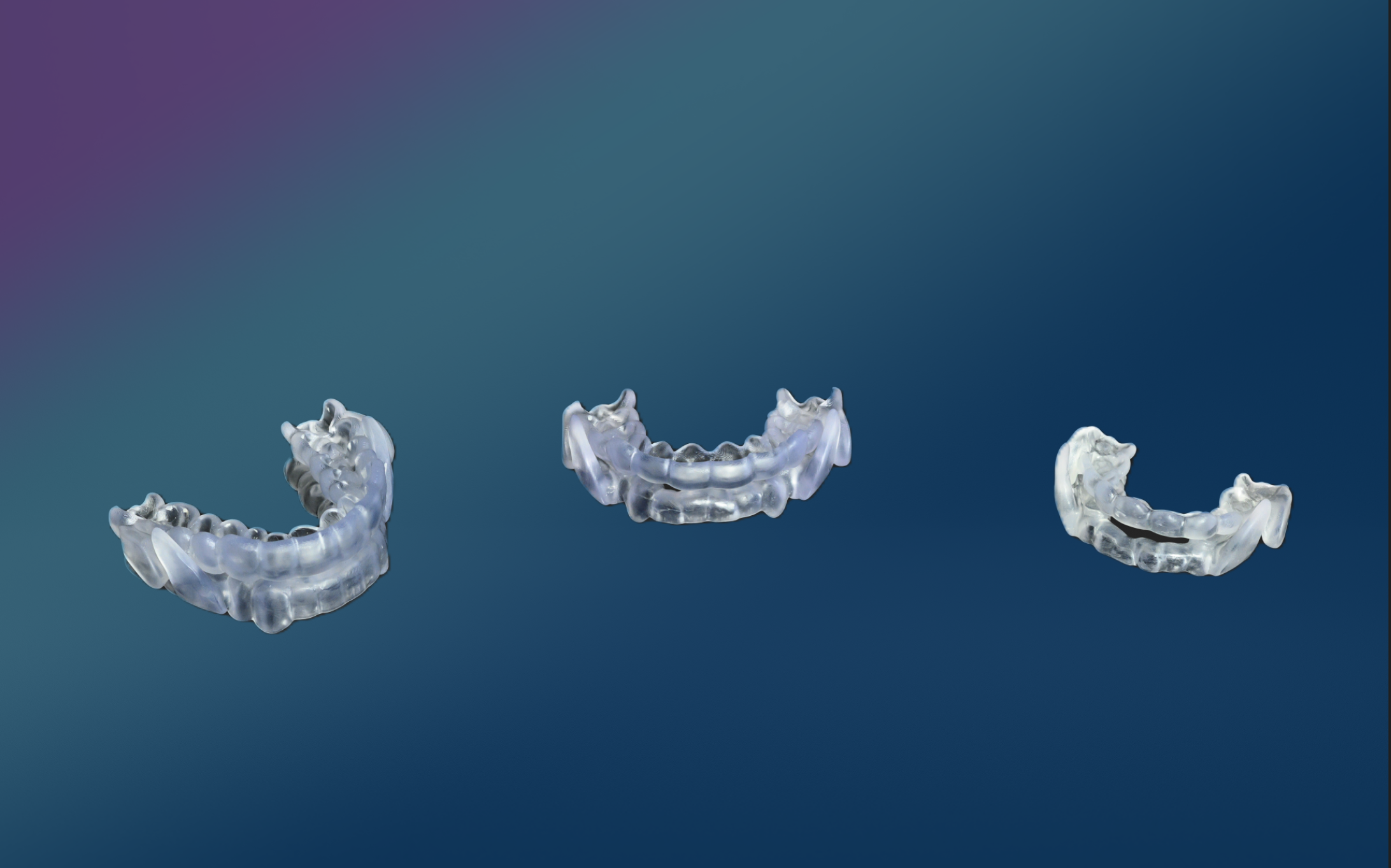
Why AIO BREATHE® Should Be Your First Choice in Oral Appliance Therapy
AIO BREATHE® represents an airway-first approach to oral appliance therapy for obstructive sleep apnea (OSA), snoring, and pediatric sleep-disordered breathing. AIO BREATHE® is FDA-cleared for adults and children ages 6–17 and supports growth-conscious, clinician-directed airway management in pediatric patients. For adults, it is intended to reduce or alleviate snoring and mild to moderate OSA while sleeping. For children ages 6–17, it supports a professionally supervised pathway that respects craniofacial development while addressing airway-related needs. In select adult patients with severe OSA, oral appliance therapy may also be considered when CPAP/BIPAP, other standard therapies, or surgical options have failed, are not tolerated, or are declined, provided treatment is prescribed and monitored by a qualified sleep physician with dental oversight and objective follow-up sleep testing.
Important severe OSA positioning: CPAP/BIPAP remains the usual first-line therapy for severe OSA. However, when PAP therapy, other standard therapies, or surgical options have failed, are not tolerated, are declined, or are not viable, a custom, titratable oral appliance may be clinically appropriate as part of a documented, physician-directed treatment plan with dental management and objective reassessment.
Clinical Disclaimer: This document is intended for professional education and patient communication support only. It does not replace diagnosis, medical judgment, informed consent, or individualized treatment planning by a licensed sleep physician, qualified dental sleep medicine provider, pediatric clinician, orthodontic provider, or appropriate specialist. AIO BREATHE® is FDA-cleared for adults and children ages 6–17. Adult use includes snoring and mild to moderate OSA. Use in select adults with severe OSA should be considered only when standard therapies such as CPAP/BIPAP, other therapies, or surgical options have failed, are not tolerated, are declined, or are not viable, and only with physician oversight, dental management, documentation, objective follow-up sleep testing, and ongoing monitoring. Pediatric use should be clinician-directed and growth-conscious, with age-appropriate medical evaluation, interdisciplinary care, professional supervision, and follow-up appropriate to the child’s growth, development, airway anatomy, and clinical needs.
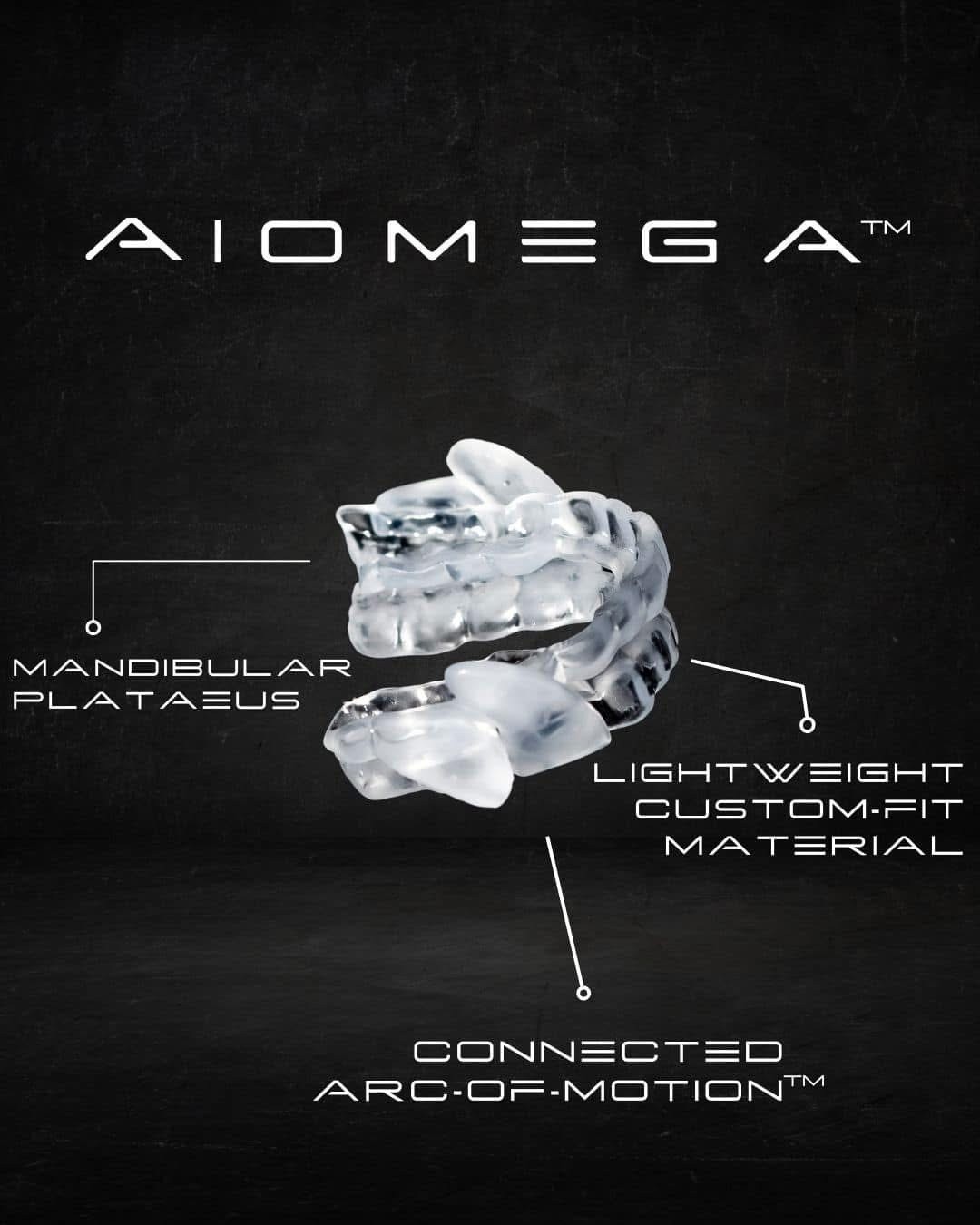
Unlike conventional appliances that primarily attempt to hold the mandible forward, AIO BREATHE® is engineered around the natural arc of mandibular motion. This design supports anterior advancement while allowing guided vertical opening, helping create airway space when the patient needs it most.
OSA is a serious sleep-related breathing disorder marked by repeated partial or complete upper-airway obstruction during sleep. These events can disrupt sleep, reduce oxygenation, and place long-term strain on cardiovascular, metabolic, neurologic, behavioral, and quality-of-life outcomes.
Untreated or under-treated OSA may contribute to:
Because OSA is chronic and often progressive, patients need treatment that is effective, tolerable, and realistic for nightly use. CPAP/BIPAP remains appropriate for many patients and is generally considered first-line therapy for severe OSA because of its ability to reduce AHI and improve oxygenation. However, oral appliance therapy is an evidence-supported alternative for adults who prefer it or cannot tolerate positive airway pressure therapy. In medically appropriate severe OSA cases, it may be indicated when PAP therapy, other therapies, or surgeries have failed or are not viable, as long as care is coordinated, documented, monitored, and objectively reassessed.
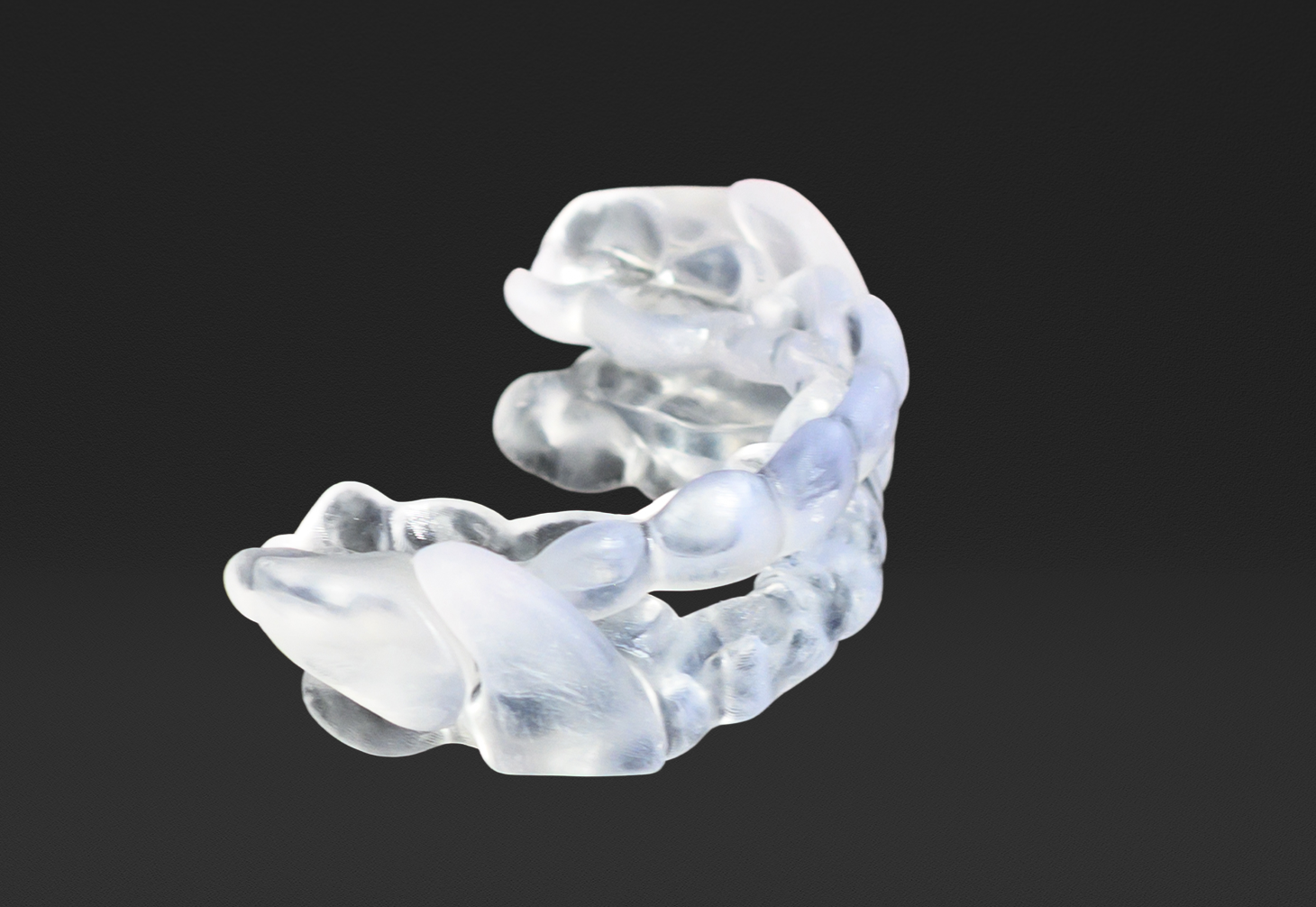
AIO BREATHE® is:
For patients who value portability, comfort, quiet therapy, simplicity, and freedom from machines or implanted devices, AIO BREATHE® offers a practical nightly treatment option that can fit naturally into everyday life and travel routines.
Oral appliance therapy is most effective when diagnosis, prescription, appliance selection, titration, and follow-up are coordinated between a sleep physician and a qualified dental provider. AIO BREATHE® supports this collaborative model by prioritizing airway physiology, objective treatment goals, and patient-centered adherence.
This collaboration becomes especially important in severe OSA. AIO BREATHE® should not be presented as a casual substitute for medical care; rather, it should be positioned as a serious, professionally managed option when the patient’s real-world treatment history shows that PAP therapy, prior therapies, or surgical pathways have not delivered a tolerable or durable solution.
AIO BREATHE® should be a first-choice consideration because it aligns advanced oral appliance design with the real-world needs of patients: better airway support, better comfort, better portability, and better acceptance. For adults with snoring or mild to moderate OSA, AIO BREATHE® provides an FDA-cleared, non-surgical, airway-focused option. For select adults with severe OSA, AIO BREATHE® may also be considered when CPAP/BIPAP, other therapies, or surgical options have failed, are not tolerated, are declined, or are not viable—provided the case is medically supervised, dentally managed, objectively tested, and continuously followed. For children ages 6–17, AIO BREATHE® is positioned as the one and only FDA-cleared growth-conscious custom device for children, supporting early screening, timely referral, and coordinated care tailored to the child’s growth, development, airway anatomy, and clinical needs.
For appropriate adult patients, AIO BREATHE® should be considered early because it addresses the major barriers that often limit OSA treatment success: comfort, adherence, portability, and acceptance.
The best candidates are identified through clinical evaluation, sleep testing, medical diagnosis, dental examination, informed consent, and ongoing follow-up to confirm comfort, safety, and treatment response. Severe OSA patients require especially close physician-dentist collaboration and objective verification of treatment efficacy.
For severe OSA, the message is not that oral appliance therapy replaces CPAP/BIPAP as the usual first-line standard. The stronger and more defensible message is that AIO BREATHE® may offer a meaningful treatment path for carefully selected adults who have failed, declined, or cannot tolerate PAP therapy, who are not candidates for surgery, or whose prior surgical interventions have not adequately resolved their disease.
In these cases, treatment should be framed as a documented therapeutic trial with informed consent, custom appliance selection, careful titration, management of side effects, and objective follow-up sleep testing to verify response. This approach is both patient-centered and medically conservative: it acknowledges the seriousness of severe OSA while giving non-adherent or treatment-exhausted patients a practical option that may be used consistently.
Selection Area | Clinical Considerations |
Adult indication | Adult patient with physician-diagnosed snoring or obstructive sleep apnea, with AIO BREATHE® used within its FDA-cleared adult indication for snoring and mild to moderate OSA. |
Severe OSA pathway | Select adult with severe OSA in whom CPAP/BIPAP, other standard therapies, or surgical options have failed, are not tolerated, are declined, or are not viable; case should be physician-directed, documented, and objectively reassessed. |
Medical oversight | Sleep physician diagnosis, prescription, risk assessment, and follow-up plan are in place before appliance therapy is initiated. |
Dental suitability | Qualified dental provider confirms adequate dentition or appliance support, acceptable periodontal status, manageable TMJ status, stable restorative condition, and ability to tolerate mandibular advancement. |
Patient-centered fit | Patient values comfort, portability, non-surgical therapy, quiet use, travel convenience, or an alternative when PAP therapy is not successful or acceptable. |
Informed consent | Patient understands expected benefits, limitations, possible side effects, titration requirements, need for nightly use, and the importance of follow-up sleep testing. |
Objective follow-up | Treatment response is verified with appropriate follow-up sleep testing, symptom review, dental evaluation, appliance adjustment, and long-term monitoring. |
Pediatric caution | Children ages 6–17 may be considered within a growth-conscious, clinician-directed airway management pathway. AIO BREATHE® is positioned as the one and only FDA-cleared growth-conscious custom device for children, with pediatric use requiring age-appropriate screening, medical referral when indicated, interdisciplinary management, professional supervision, and follow-up tailored to growth and development. |
For children ages 6–17, AIO BREATHE® supports growth-conscious, clinician-directed airway management in a custom oral appliance designed for developing patients. Pediatric care is different from adult care: children are growing, their airway and craniofacial structures are still developing, and treatment should be guided by qualified clinicians using age-appropriate evaluation and follow-up.
Pediatric sleep-disordered breathing deserves timely attention because airway, dental, craniofacial, behavioral, learning, and developmental factors may overlap. AIO BREATHE® fits within a coordinated care pathway that may include pediatric, sleep medicine, dental, orthodontic, and otolaryngology providers as clinically indicated.
The pediatric message is simple: identify airway risk early, evaluate the child’s anatomy and growth pattern, and use a professionally supervised device pathway when appropriate. AIO BREATHE® is positioned as the one and only FDA-cleared growth-conscious custom device for children ages 6–17, supporting responsible airway management that respects growth, development, and individualized clinical needs.
Pediatric Summary: AIO BREATHE® supports growth-conscious, clinician-directed airway management for children ages 6–17. Used under professional supervision, it gives providers a custom device option designed for growing patients and intended to fit within an age-appropriate evaluation, coordinated care plan, and ongoing follow-up.
| Selection Area | Pediatric Considerations |
| Age range | Children ages 6–17 who are evaluated within a growth-conscious, clinician-directed airway management pathway. |
| Ages 6–9: Early mixed dentition / rapid growth | Closer dentist-clinician collaboration may be appropriate due to active dental eruption, rapid craniofacial growth, airway development, and the need for more frequent fit, comfort, and growth reassessment. |
| Ages 10–12: Pre-teen transition | Selection should consider changing dentition, orthodontic planning, airway symptoms, facial growth pattern, caregiver support, and the child’s readiness for consistent device use as directed. |
| Ages 13–15: Early teen development and sports | Clinicians should consider growth status, sports participation, oral appliance safety, orthodontic needs, adherence, lifestyle factors, and ongoing airway symptoms that may affect appropriate use and follow-up. |
| Ages 16–17: Late teen / transition toward adult pathway | Evaluation should consider near-adult anatomy, remaining growth, sleep-disordered breathing status, dental maturity, adherence, and whether transition planning toward the adult AIO BREATHE® pathway may be appropriate. |
| Clinical screening | Screening should consider snoring, restless sleep, mouth breathing, daytime fatigue, attention or learning concerns, airway findings, and other signs that may warrant medical evaluation. |
| Medical referral | Referral to a pediatrician, sleep physician, ENT, orthodontic provider, or other appropriate specialist may be indicated based on symptoms, history, anatomy, and clinical findings. |
| Growth and development | Selection should account for craniofacial growth, dental development, eruption stage, airway anatomy, orthodontic considerations, and the child’s ability to tolerate and use the device as directed. |
| Professional supervision | Use should be directed and monitored by qualified clinicians, with caregiver education, documented instructions, follow-up visits, and adjustment as clinically appropriate. |
| Coordinated care | Care may include collaboration among dental sleep medicine, pediatric medicine, sleep medicine, orthodontics, ENT, and other providers based on the child’s needs. |
| Follow-up | Ongoing follow-up should monitor comfort, fit, use, dental and craniofacial changes, symptom response, and the need for additional evaluation or care as the child grows. |
Pediatric Age-Stage Summary: The pediatric age-stage table helps clinicians match evaluation, collaboration, and follow-up to the child’s developmental stage. From early mixed dentition and rapid growth through pre-teen changes, early teen lifestyle factors, and late-teen transition planning, AIO BREATHE® supports growth-conscious, clinician-directed airway management for children ages 6–17 within a professionally supervised and coordinated care pathway.
Pediatric Call-to-Action: If a child ages 6–17 shows signs of snoring, restless sleep, mouth breathing, daytime fatigue, attention concerns, or other possible airway-related symptoms, consider a growth-conscious, clinician-directed airway evaluation. Ask whether AIO BREATHE® may be appropriate as part of a professionally supervised, age-appropriate, and coordinated pediatric care plan.